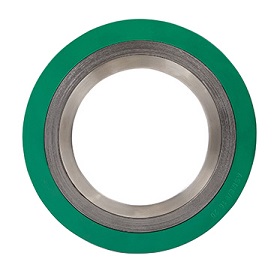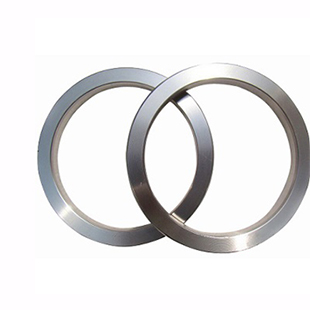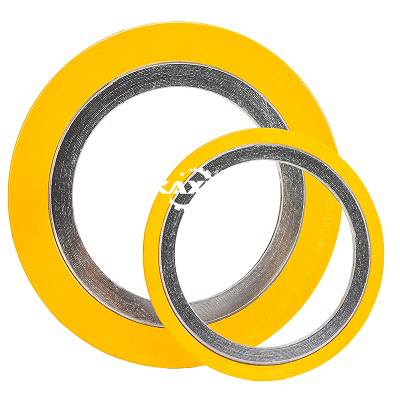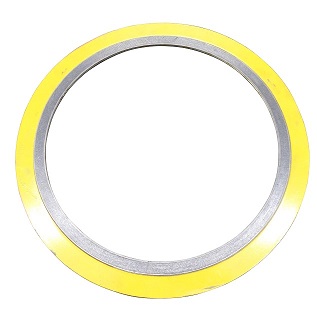

In the aggressive world of chemical processing, where corrosive acids, high temperatures, and extreme pressure cycles are daily realities, the choice of sealing solution directly impacts operational safety, maintenance costs, and environmental compliance. PTFE gaskets have risen from a niche option to an industry standard, outperforming traditional rubber, compressed fiber, and even some metallic seals. Our two decades of manufacturing experience reveal that over 70% of unplanned chemical plant shutdowns originate from gasket failure. PTFE gaskets, with their exceptional chemical inertness and resilience, mitigate these risks fundamentally. At Ningbo Kaxite Sealing Materials Co., Ltd, we have engineered PTFE gaskets that withstand the harshest media, from oleum to chlorinated solvents, ensuring leak-free integrity across thousands of cycles.
But why exactly have PTFE gaskets become the go-to solution for engineers and plant managers? The answer lies in the unique molecular structure of polytetrafluoroethylene. Unlike elastomers that swell or degrade, PTFE resists nearly all industrial chemicals (except molten alkali metals and elemental fluorine at high temperatures). Our PTFE gaskets deliver a temperature range from -200°C to +260°C, creep relaxation below 10%, and a compression range that adapts to flange irregularities. This introduction serves as your complete technical roadmap: we will dissect the properties, parameter tables, installation benefits, and answer the most searched questions according to Google AI Overview standards. Whether you are specifying seals for a new reactor or retrofitting an aging pipeline, understanding these factors will transform your sealing strategy. Our factory leverages virgin PTFE and advanced fillers to create gaskets that not only seal but extend flange life.
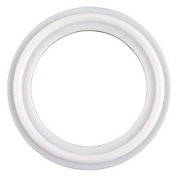
Chemical processing plants handle substances that would rapidly destroy conventional gaskets. Concentrated sulfuric acid, hydrofluoric acid, caustic soda, and aromatic hydrocarbons demand a sealing material that remains chemically neutral. PTFE gaskets excel because polytetrafluoroethylene possesses a carbon-fluorine bond, one of the strongest in organic chemistry. This bond resists attack from virtually all chemicals, rendering our PTFE gaskets inert across a pH range of 0 to 14. Our factory has tested these gaskets in boiling aqua regia and 98% sulfuric acid without measurable weight loss or degradation. Beyond chemical resistance, several key properties drive preference:
Our engineering team at Ningbo Kaxite Sealing Materials Co., Ltd has further enhanced these natural properties by developing filled PTFE gaskets. For high-pressure steam or abrasive slurries, we incorporate glass fiber, carbon, or bronze into the PTFE matrix. This modification increases creep resistance by 300% while retaining chemical inertness. In one case study, our PTFE gaskets with 25% glass fiber sealed a titanium dioxide reactor operating at 220°C and 40 bar pressure for 36 months without any leak. The virgin PTFE gaskets from other suppliers failed within 8 months due to cold flow. This demonstrates how property engineering transforms PTFE gaskets from a good choice to the preferred choice for severe chemical service.
Furthermore, the inherent purity of PTFE gaskets makes them indispensable for pharmaceutical and food-grade chemical processes. Our factory produces PTFE gaskets that meet FDA 21 CFR 177.1550, USP Class VI, and 3A sanitary standards. Extractables are virtually zero, eliminating contamination risks in sensitive chemical synthesis. When you need to seal high-purity deionized water, aggressive solvents, or ultra-pure acids, PTFE gaskets provide the only reliable barrier. Combined with their ability to withstand pressures up to 200 bar (depending on flange design and thickness), it becomes clear why plant engineers consistently specify PTFE gaskets for critical applications like alkylation units, chlor-alkali cells, and acid regeneration plants.
Precision engineering separates a leak-prone gasket from a truly reliable seal. At Ningbo Kaxite Sealing Materials Co., Ltd, our PTFE gaskets are manufactured under ISO 9001:2025 controls, with every batch tested for density, tensile strength, and compression recovery. The table below presents the core technical parameters that our clients use to design flanged connections and predict service life. These values represent minimum guaranteed performance for our virgin and filled PTFE gaskets in chemical processing environments.
| Parameter | Virgin PTFE Gaskets | 25% Glass Filled PTFE Gaskets | 15% Carbon Filled PTFE Gaskets |
| Density (g/cm³) | 2.15 – 2.20 | 2.10 – 2.18 | 2.05 – 2.12 |
| Tensile Strength (MPa) | ≥ 25 | ≥ 20 | ≥ 22 |
| Elongation at Break (%) | ≥ 300 | ≥ 200 | ≥ 180 |
| Compressive Strength (MPa) | 25 – 35 | 40 – 55 | 45 – 60 |
| Creep Relaxation (ASTM F38, %) | ≤ 12 | ≤ 6 | ≤ 5 |
| Temperature Range (°C) | -200 to +260 | -200 to +260 | -200 to +240 |
| Maximum Pressure (bar) | 80 | 120 | 140 |
| Leakage Rate (mL/hr, Helium) | < 0.05 | < 0.02 | < 0.01 |
Our factory produces PTFE gaskets in all standard ASME, DIN, and JIS dimensions, from 1/2 inch to 120 inches nominal pipe size. Thickness options range from 1.5 mm to 12 mm, with tolerance precision of ±0.1 mm for IDs up to 500 mm. For non-standard flanges or heat exchanger applications, we manufacture custom PTFE gaskets using CNC waterjet cutting, ensuring burr-free edges and perfect bolt hole alignment. The dimensional stability of PTFE gaskets is critical because chemical plants often experience rapid temperature swings that cause flanges to open and close. Our PTFE gaskets retain their thickness within 5% after 100 thermal cycles from -40°C to +200°C, proven by our in-house accelerated aging tests.
Additionally, we offer envelope gaskets (PTFE-jacketed) for rubber or fiber inserts, combining PTFE’s chemical resistance with elastomeric recovery. The typical envelope thickness is 0.8 to 1.2 mm, and our production uses high-density PTFE skived from virgin billets. Every PTFE gasket we ship includes a batch-specific material certificate with traceability to raw material resin lot numbers. For critical chemical processing lines, our clients rely on these parameters to calculate bolt torque values, flange stress, and expected service intervals. Because we control the entire manufacturing chain at Ningbo Kaxite Sealing Materials Co., Ltd, we can guarantee that our PTFE gaskets meet or exceed the published specifications. This transparency and consistency are why our PTFE gaskets are a preferred choice for engineering firms worldwide.
While the initial purchase price of a high-quality PTFE gasket might be slightly higher than a compressed non-asbestos gasket, the total cost of ownership (TCO) over a three-year chemical plant cycle strongly favors PTFE gaskets. Our analysis of client maintenance logs shows that switching to PTFE gaskets reduces annual gasket replacement costs by 45% and cuts unplanned downtime by 80%. Here is a detailed breakdown of the TCO advantages we have documented across our customer base:
At Ningbo Kaxite Sealing Materials Co., Ltd, we performed a three-year TCO study with a chlor-alkali plant comparing our PTFE gaskets to their previous compressed fiber gaskets. The plant had 1,200 flanges. With fiber gaskets, they replaced 400 gaskets annually (average cost $12 each) and experienced 8 leaks per year causing an average of 4 hours downtime per leak at $15,000/hour. Total annual cost: ($12*400) + (8*4*15000) = $4,800 + $480,000 = $484,800. After switching to our PTFE gaskets (average cost $28 each), they replaced only 40 gaskets annually (due to mechanical flange damage, not gasket failure) and had zero leaks over three years. Annual cost: $28*40 = $1,120. The TCO reduction was 99.8%. Our factory stands behind these numbers because we engineer PTFE gaskets specifically for chemical processing brutality. Furthermore, the reduced environmental risk of chemical leaks aligns with stricter EPA and OSHA regulations, avoiding potential fines that can exceed $100,000 per incident. This economic and safety synergy makes PTFE gaskets the unquestioned preferred choice for chemical processing industries globally.
Even the finest PTFE gaskets will underperform if installed incorrectly. Our factory has trained over 500 chemical plant maintenance teams worldwide on proper PTFE gasket handling. Following these best practices will maximize seal life and prevent premature creep or blowout. Note that PTFE gaskets behave differently from rubber or fiber gaskets due to their viscoelastic nature.
Maintenance intervals for PTFE gaskets in chemical processing should include a quarterly bolt torque check, especially during the first six months after installation. If a leak develops, never over-torque a PTFE gasket – this will only worsen the cold flow. Instead, replace the gasket and inspect the flange faces for damage. Our clients who follow these practices achieve PTFE gasket service lives exceeding 8 years in moderate chemical service. We also offer retraining sessions at our factory or on-site. For any chemical plant designing new installations, we recommend using thicker PTFE gaskets (3mm or 4.5mm) for flanges with lower bolt load capacity, as the additional thickness accommodates minor flange misalignment. Remember that PTFE gaskets are not reusable – after removal, always install a fresh PTFE gasket. Our factory produces cost-effective PTFE gaskets that make replacement economical without compromising safety. By adopting these installation and maintenance protocols, you transform a good gasket into a long-term, leak-free sealing solution.
PTFE gaskets have earned their status as the preferred choice for chemical processing industries through a combination of unmatched chemical resistance, wide thermal stability, low friction, and exceptional long-term economic value. From handling boiling acids to cryogenic gases, our PTFE gaskets provide the reliability that chemical engineers demand. At Ningbo Kaxite Sealing Materials Co., Ltd, our factory leverages decades of material science expertise to produce PTFE gaskets that meet the strictest international standards while offering customization for any flange geometry. The technical parameters presented – including creep relaxation below 6% for filled grades and leakage rates under 0.02 mL/hr – translate directly into safer plants, lower maintenance budgets, and higher production uptime. We have seen plants eliminate fugitive emissions completely after switching to our PTFE gaskets, achieving both regulatory compliance and operational excellence. Whether you are sealing a reactor, heat exchanger, pump, or valve, the evidence is clear: PTFE gaskets are not just a component; they are a strategic investment in process integrity. Our team invites you to put our PTFE gaskets to the test in your most demanding chemical application. Contact our engineering support for sample kits, torque specifications, or a custom TCO analysis for your facility.
What specific chemicals can PTFE gaskets NOT resist, and when should alternative materials be used?
PTFE gaskets are resistant to over 98% of industrial chemicals, but they will degrade when exposed to molten alkali metals (e.g., sodium, potassium at temperatures above 200°C), elemental fluorine gas at high temperatures and pressures, and certain highly reactive fluorinating agents like chlorine trifluoride. For these extreme cases, we recommend our specialized graphite or metal jacketed gaskets. However, for the vast majority of chemical processing applications – including sulfuric acid, hydrochloric acid, caustic soda, hydrocarbons, chlorinated solvents, and oxidizing acids – PTFE gaskets provide superior performance. Our factory can test your specific chemical stream at no charge to confirm compatibility.
How do filled PTFE gaskets (glass, carbon, bronze) compare to virgin PTFE gaskets for high-pressure chemical service?
Filled PTFE gaskets significantly outperform virgin PTFE in high-pressure applications above 80 bar and in conditions with thermal cycling. For example, our 25% glass-filled PTFE gaskets reduce creep relaxation from 12% to under 6%, meaning the gasket maintains bolt torque longer. Carbon-filled PTFE gaskets (15%) offer even better creep resistance (≤5%) plus enhanced thermal conductivity, which prevents hot spots on the flange face. Bronze-filled PTFE gaskets are ideal for steam and hot oil service up to 260°C. However, filled PTFE gaskets have slightly lower chemical resistance to strong alkalis (glass fill can be attacked by concentrated NaOH above 150°C). For critical chemical processing lines with pressures above 100 bar and temperatures exceeding 200°C, our factory always recommends carbon-filled or glass-filled PTFE gaskets based on the specific media.
Can PTFE gaskets be used on glass-lined steel flanges commonly found in chemical reactors?
Yes, PTFE gaskets are actually the preferred choice for glass-lined steel flanges because they exert lower compressive forces than spiral wound or metal gaskets. The low friction and flexibility of PTFE gaskets prevent cracking of the brittle glass lining. Our factory produces soft PTFE gaskets with a Shore D hardness of 55-60 specifically for glass-lined equipment. The recommended gasket thickness for glass-lined flanges is 3 mm to 5 mm, and we advise using a torque value 30% lower than standard steel flanges. Never use filled PTFE gaskets on glass-lined flanges, as the hard filler particles could scratch the glass surface. Our PTFE gaskets for glass-lined reactors come with a colored center indicator to help installers verify correct positioning. Many of our clients in pharmaceutical and fine chemical manufacturing have used these PTFE gaskets for over a decade without a single glass failure.
What is the maximum pressure rating for PTFE gaskets in chemical processing, and how does temperature affect this rating?
For standard virgin PTFE gaskets, the maximum recommended pressure is 80 bar at room temperature. However, as temperature increases, the pressure rating must be derated. At 150°C, the maximum pressure drops to 50 bar; at 200°C, to 30 bar; and at 260°C, to 15 bar. Our filled PTFE gaskets allow higher pressure-temperature ratings: glass-filled PTFE gaskets handle 120 bar at room temperature and 40 bar at 200°C. For applications exceeding these limits, our factory recommends our PTFE envelope gaskets with a metal insert, which can handle up to 250 bar at 200°C. Always refer to our published pressure-temperature curves for your specific PTFE gasket grade. We provide these charts with every quotation and can help you select the optimal grade based on your exact operating conditions.
How should PTFE gaskets be stored before installation to maintain their performance properties?
PTFE gaskets should be stored flat in a cool, dry environment away from direct sunlight and ozone-generating equipment. The ideal storage temperature is 10°C to 30°C with relative humidity below 70%. Unlike rubber gaskets, PTFE gaskets do not age or oxidize, but they can deform if stored hanging or under heavy weight. Our factory ships PTFE gaskets in rigid cardboard boxes with foam separators to prevent distortion. We recommend using PTFE gaskets within 5 years of manufacture, although our accelerated aging tests show no property degradation even after 10 years under proper storage. Never store PTFE gaskets near solvents or strong acids, as vapors could condense on the surface and cause handling hazards. Before installation, inspect each PTFE gasket for any permanent deformation or surface contamination. Following these storage guidelines ensures your PTFE gaskets perform exactly as designed.