
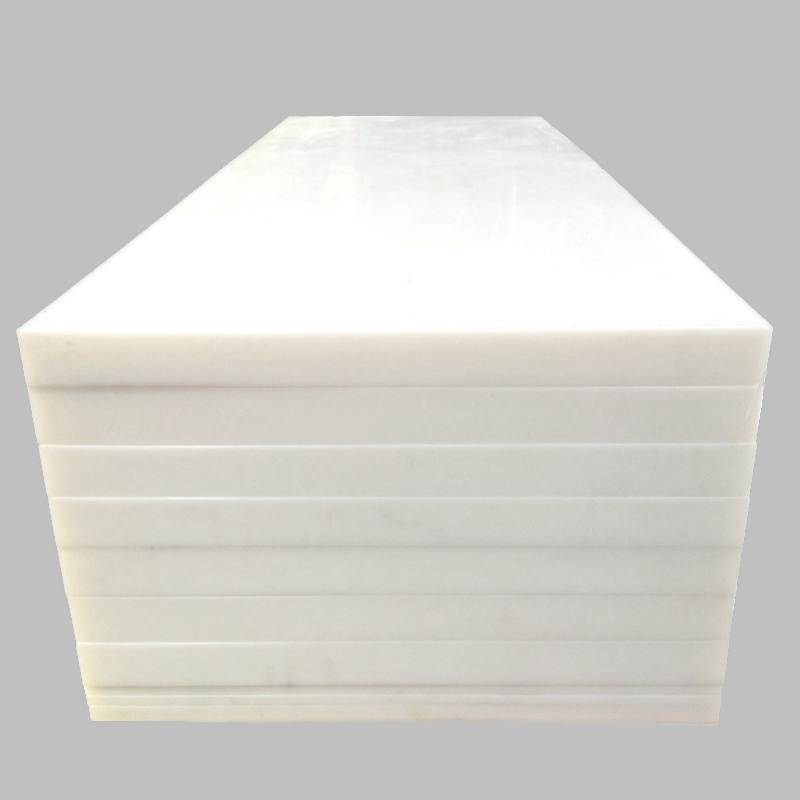
HDPE board has good chemical stability and can resist the erosion of most acids, alkalis, organic solutions and hot water. It has good electrical insulation and is easy to weld. Features: low density; good toughness (also suitable for low temperature conditions); good stretchability; good electrical and dielectric insulation; low water absorption; low water vapor permeability; good chemical stability; tensile strength; non-toxic and harmless.

The surface of the HDPE rod is smooth, the texture is delicate and shiny, and the high-quality raw materials are selected. The cut surface of the product has no bubbles and no cracks. After the test, the surface is still smooth, no potholes, stable mechanical properties, and good water repellency. Corrosion, good toughness and shock resistance, suitable for processing multiple mechanical parts, stable performance and long service life.
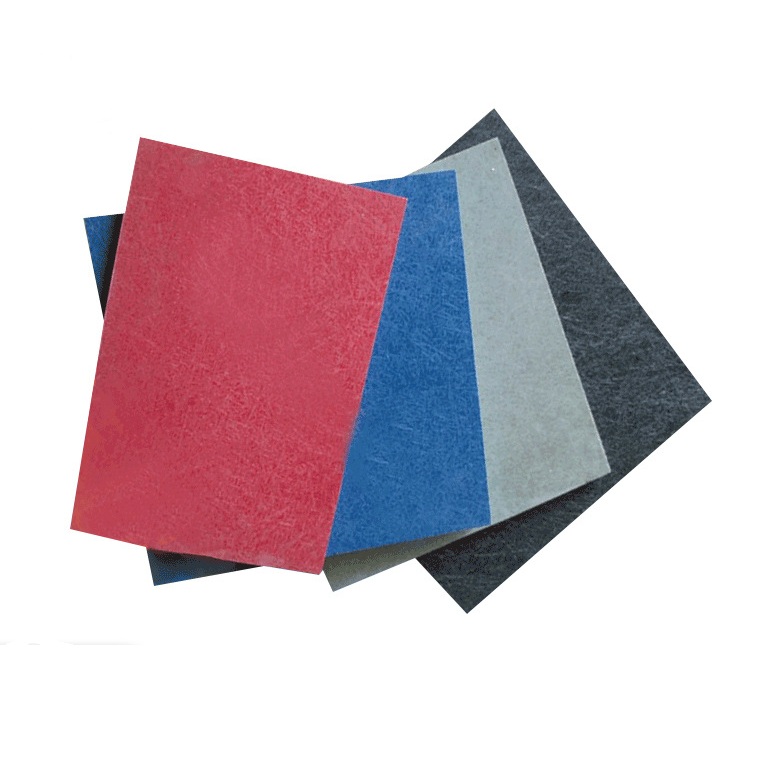
Synthetic stone is a composite material made of high-temperature nanofiber felt and high-performance epoxy resin, which has the characteristics of low thermal conductivity, resistance, high temperature resistance, light weight, and chemical corrosion resistance.
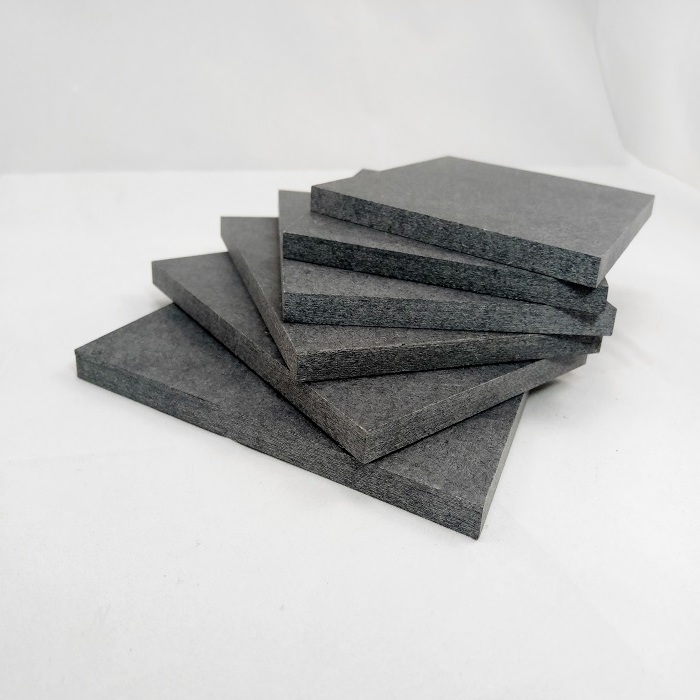
Anti-static synthetic stone is a composite material made of carbon fiber and anti-static high mechanical strength resin. The ability to continue to maintain its physical properties in high temperature environments allows it to achieve high standard results without distortion during the wave soldering process. Under the harsh environment of a short time of 350 °C and a continuous working temperature of 260 °C, it will not cause lamination and separation of high-temperature nanocomposites (synthetic stone).
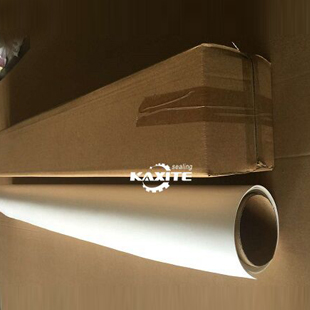
Kaxite Expanded PTFE Gasket Sheet Material is manufactured from 100% virgin PTFE through a proprietary expansion process that produces a uniform, highly fibrillated microstructure with equal tensile strength in all directions. The sheet is considerably softer and more flexible than skived or moulded PTFE sheet, so it conforms easily to irregular and rough flange surfaces, compresses at lower bolt load, and resists creep and cold flow. Density is 0.75–0.95 g/cm³, operating temperature range is -240°C to +260°C, and compressibility is 45% with 12–13% recovery to ASTM F36. The material complies with FDA food contact regulations and EU 1935/2004, and seals aggressive chemicals across the full pH 0–14 range. Standard sheet size is 1500 × 1500 mm in 0.5–6 mm thickness. Wholesale quantity, custom sheet size, OEM labeling and free samples are available.
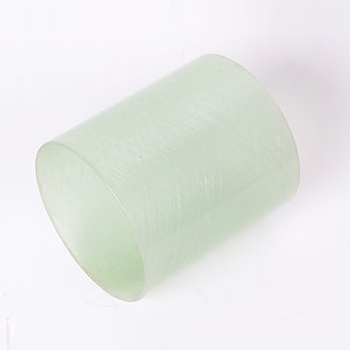
Kaxite Epoxy Fiberglass Tube (Style G10) is a pultruded composite tube formed by heat-pressing alkali (E-glass) fabric that has been impregnated with epoxy resin. The cross-wound glass fabric gives the tube nearly equal mechanical strength in the lengthwise and crosswise directions, so it resists crushing and bending without the direction-sensitive weakness of a filament-wound tube. Dielectric strength reaches 22 kV/mm at 0.5–1 mm wall thickness, surface and volume resistivity are 1.0×10¹³ Ω or above, and the dissipation factor Tan δ at 50 Hz is 0.05 or below. Density is 1.70–1.90 g/cm³ and Martens heat resistance is 200°C or above. The tube is used as an electrical and mechanical insulation structural component in generators, transformers, motors, inverters, fixtures and general machine parts. Available in various diameters and wall thicknesses, with wholesale quantity, custom dimensions, OEM labeling and free samples offered.