
In the vast and complex world of industrial piping systems, a component no larger than a plate of dinner can bring an entire operation to a halt. That component is the gasket. And within the pantheon of gasket types, the double jacketed gasket, particularly the Double Jacketed Gasket, stands as a pinnacle of sealing technology, designed to meet the most challenging industrial conditions. Imagine a petrochemical plant where a failure in a single flange connection could release volatile, flammable gases. Or imagine a power plant where superheated steam escaping from a pipeline can cause catastrophic system failure. These are the environments where the Double Jacketed Gasket excels. This article will explore what a Double Jacketed Gasket is, how it functions, and why it is a vital, albeit often overlooked, component of industrial safety and reliability.
The Double Jacketed Gasket is essentially a composite component, but it is more accurate to think of it as a carefully engineered system. Its core is a soft, conformable filler, typically graphite or a high-temperature flexible graphite, which is responsible for creating the primary seal. This filler is protected and supported by a metal jacket, which provides mechanical strength, resistance to extrusion, and protection from process fluids. The true engineering sophistication of the Double Jacketed Gasket lies in the synergy between these two parts. The metal jacket is formed by two interlocking pieces—hence the "double jacket"—which enclose the filler, creating a robust sealing element that can handle the extreme conditions of modern industrial processes. This article will break down the mechanics, explore the materials, and explain why the Double Jacketed Gasket is the go-to solution for demanding industrial sealing applications.
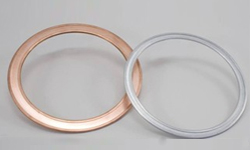
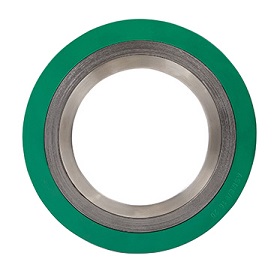
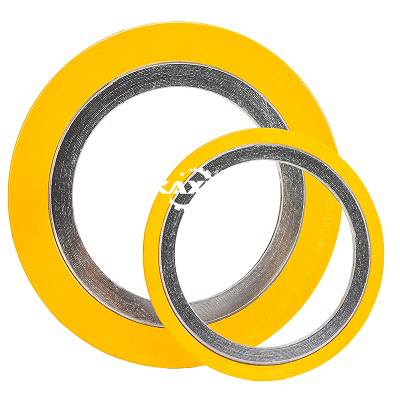
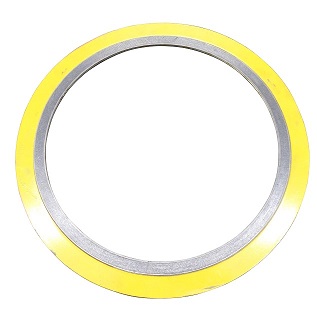
The Double Jacketed Gasket, often categorized as a style of spiral wound gasket or a specialized jacketed gasket, is a critical sealing component designed for flange connections in high-demand industrial applications. At its most fundamental level, it is a metal-and-filler composite. The "double jacket" is the defining feature. It consists of two interlocking metal bands, typically manufactured from a thin strip of high-quality stainless steel or other alloy, that wrap around the outer and inner diameters of the gasket. The filler, usually a soft material like expanded graphite, PTFE, or a ceramic fiber, is held securely between these two jackets. This design creates a gasket that is both resilient and robust, capable of withstanding high pressures, extreme temperatures, and aggressive chemical environments.
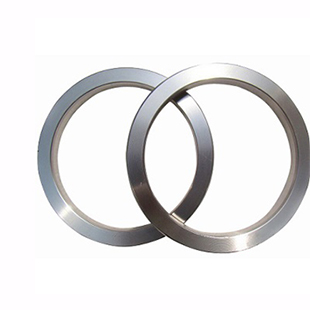
To visualize the structure, imagine a standard ring, but with a complex, engineered inner architecture. The metal jackets act as the structural "skeleton," providing the gasket with the necessary strength to resist extrusion and maintain its shape under high compressive loads. They also protect the more fragile filler from direct exposure to the process media, preventing chemical degradation and erosion. The filler, conversely, is the "soft muscle" of the gasket. When the flange bolts are tightened, the filler compresses, conforming precisely to the flange faces. This creates a tight, leak-proof seal. The combination of these elements means that a Double Jacketed Gasket can maintain its sealing integrity even when subjected to large pressure fluctuations, thermal cycling, and substantial bolt load relaxation.
Our factory at Kaxite has produced a wide range of Double Jacketed Gasket solutions, and our engineering team has observed that the key to a successful gasket is not just the material, but the precision of the manufacturing process. The dimensions of the jacket, the density of the filler, and the alignment of the components all influence the gasket's performance. A poorly manufactured double jacketed gasket will not perform adequately, no matter how good the materials are. This is why we maintain strict quality control at every stage of production, from the selection of raw materials to the final inspection of the finished product. The following table provides a quick overview of the core components and their roles.
| Component | Material Options | Primary Function |
| Inner Jacket | Stainless Steel (304, 316, 321), Inconel, Monel | Provides inner structural support; resists extrusion |
| Outer Jacket | Stainless Steel (304, 316, 321), Inconel, Monel | Protects filler; contains pressure; resists corrosion |
| Filler Material | Expanded Graphite, PTFE, Ceramic Fiber, Mica | Creates the primary seal; conforms to flange faces |
The sealing mechanism of a Double Jacketed Gasket is a symphony of physical and mechanical principles, orchestrated by the careful application of compressive force. The process begins with the installation of the gasket. When the flange bolts are tightened, the metal jackets and the filler are compressed. The force applied to the gasket is known as the "compression load." This load is transmitted through the metal jackets, which act as a load distribution structure, ensuring that the force is applied evenly across the entire surface of the gasket. This uniform compression is essential because it ensures that the filler deforms in a controlled, predictable manner.
The filler material, such as expanded graphite, is a soft, highly conformable material. When compressed, it flows into the microscopic irregularities on the surface of the flange faces. This "wetting" of the flange surface creates a tight, intimate seal that blocks the path for gas or liquid leakage. This is the primary sealing mechanism. The metal jackets, while they also contribute to the seal by adapting to the flange surface, play a more critical role in maintaining the seal over time. They act as a spring, providing a "resilience" to the gasket. When the system experiences thermal expansion or contraction, or when the pressure fluctuates, the metal jackets flex slightly to compensate for any changes in the gap between the flanges. This prevents the filler from relaxing and losing its sealing contact.
The success of this mechanism depends on the gasket design and the operating conditions. The stress-strain relationship of the filler material is crucial. If the filler is over-compressed, it can deform excessively and lose its resilience. If it is under-compressed, it will not adequately conform to the flange faces. The metal jackets must be designed to withstand the bolt load without deforming permanently. The design of our Double Jacketed Gasket is the result of extensive testing and analysis. We precisely control the thickness of the jackets, the density of the filler, and the inner diameter of the gasket to ensure a predictable and reliable performance. The following table provides a general guide to the relationship between gasket stress and expected leak rates.
| Gasket Stress (MPa) | Typical Leak Rate (mL/min @ 40 bar) | Application Suitability |
| 15-25 | 0.5-1.0 | Low-pressure systems, non-critical applications |
| 25-40 | 0.1-0.5 | Moderate pressure, general industrial use |
| 40-60 | 0.05-0.1 | High-pressure, high-temperature systems |
| >60 | <0.05 | Critical applications (e.g., nuclear, petrochemical) |
The material selection for a Double Jacketed Gasket is a critical engineering decision, as the materials must be compatible with the process fluid, the operating temperature, and the mechanical loads. The choice of material for the metal jacket and the filler is a balancing act. The metal must be corrosion-resistant, have sufficient strength, and be capable of withstanding the operating temperature. The filler must be chemically inert, withstand the operating temperature, and have the appropriate compliance and resilience for the application. Our factory at Ningbo Kaxite Sealing Materials Co., Ltd. has identified the key material families for Double Jacketed Gaskets.
The metal jacket material must resist corrosion from the process fluid and the environment. The most common material is 316L stainless steel, known for its excellent resistance to a wide range of corrosive media. For applications involving highly corrosive fluids, such as acids or chlorides, we recommend more exotic alloys like Inconel 625, Monel 400, or Hastelloy. The specific alloy chosen will depend on the aggressiveness of the fluid and the operating temperature. The metal thickness is also a factor, as it influences the spring rate and the load capacity of the gasket.
The filler material is equally important. The most widely used filler is expanded graphite. It is chemically inert, can withstand temperatures up to 650°C in an inert atmosphere, and has excellent resilience. For applications involving highly oxidizing fluids, we might recommend a filler of PTFE (polytetrafluoroethylene). PTFE is chemically almost universally inert and has a low coefficient of friction, which prevents the gasket from sticking to the flange faces. However, PTFE has a lower maximum operating temperature (typically around 260°C) and a higher creep rate than graphite. For extreme temperature applications, a filler of ceramic fiber or mica can be used, providing excellent thermal resistance but with reduced flexibility.
The selection process for Double Jacketed Gaskets at our factory is a collaborative process between our engineering team and the customer. We need to understand the application: the type of fluid, its pressure, its temperature, and the environment. We then use our expertise to recommend the most appropriate material combination. The following table provides a simplified material selection guide.
| Application | Recommended Jacket Material | Recommended Filler Material | Key Considerations |
| Low-temperature, non-corrosive | 304 Stainless Steel | PTFE | Low cost, good chemical resistance |
| Medium-temperature, moderate corrosion | 316 Stainless Steel | Expanded Graphite | Good balance of cost and performance |
| High-temperature, high-pressure | Inconel 625 | Expanded Graphite | Excellent thermal stability and strength |
| Highly corrosive fluids | Monel 400 or Hastelloy | PTFE or Ceramic Fiber | Superior chemical resistance |
Double Jacketed Gaskets are not a universal solution, but rather a specialized sealing tool for demanding industrial environments. They are typically specified when the operating conditions are too severe for simpler gasket types, such as sheet gaskets or spiral wound gaskets. The typical applications for Double Jacketed Gaskets are found in high-temperature (up to 650°C), high-pressure (up to 250 bar), and chemically aggressive environments. These are the "worst-case" scenarios where failure is not an option, and where the reliability of the gasket is a critical factor.
One of the primary application areas is in the oil and gas industry. In refineries and petrochemical plants, Double Jacketed Gaskets are used on critical flanges in high-pressure pipelines, heat exchangers, and pressure vessels. The process fluids often include volatile hydrocarbons, hydrogen, and corrosive gases. The high temperatures and pressures, combined with the continuous thermal cycling, create a challenging environment that demands the highest integrity from the gasket. In a typical refinery, hundreds of these gaskets might be used, each serving as a vital component in the overall safety system.
Another significant application is in power generation, particularly in steam turbines and boilers. Here, the gasket must withstand the pressure and temperature of superheated steam. A failure in this application can lead to catastrophic system failure. In these environments, the Double Jacketed Gasket's resistance to creep and its ability to maintain a seal under extreme conditions are essential. Similarly, in nuclear power generation, the need for absolute safety makes the Double Jacketed Gasket a critical component in the containment system, where any leakage could have severe consequences.
Furthermore, Double Jacketed Gaskets are found in the chemical and pharmaceutical industries. These applications often involve highly corrosive materials and the need for absolute purity. In the pharmaceutical industry, the gaskets must meet stringent hygiene standards, and the material selection must prevent any contamination of the product. In the chemical industry, gaskets are required to withstand aggressive acids and solvents, often at elevated temperatures and pressures. The selection of the correct material is vital to prevent gasket failure and product contamination.
The following table outlines the typical applications and the reasons why Double Jacketed Gaskets are selected for these challenging environments.
| Industry | Typical Application | Reason for Using Double Jacketed Gaskets |
| Oil & Gas | High-pressure pipelines, heat exchangers, reactors | High temperature, high pressure, corrosive fluids |
| Power Generation | Steam turbines, boilers, condenser flanges | Extreme temperatures, high-pressure steam |
| Chemical Processing | Acid/alkali pipelines, chemical reactors | Corrosive fluids, high temperatures, safety critical |
| Pharmaceutical | Sterile processing lines, bioreactors | Hygiene requirements, contamination prevention |
The correct selection of a Double Jacketed Gasket is essential for the safety and reliability of any industrial process. It is not a decision to be made lightly. The process involves a careful analysis of the operating conditions and a thorough understanding of the available gasket options. Our factory at Kaxite has established a systematic approach to gasket selection that we recommend to all our customers. This method covers key parameters such as operating temperature, pressure, medium, and flange type.
The selection process should begin by gathering detailed information about the application. The most critical parameters are the fluid's composition, temperature, pressure, and the flange type. The fluid's composition dictates the chemical compatibility of the gasket materials. The operating temperature influences the thermal stability of the filler and the jacket. The operating pressure determines the required gasket stress. The flange type influences the gasket's shape and size. Another critical consideration is the potential for thermal cycling. If the system frequently cycles between hot and cold temperatures, the gasket's ability to maintain its seal is essential. This is where the resilience of the Double Jacketed Gasket is particularly valuable.
Once the operating conditions are determined, the selection process moves to the material choices. The first step is to choose the material for the metal jackets. The jacket material must be compatible with the process fluid and the environment. After the jacket material is chosen, the next step is to select the filler. The filler must be compatible with the fluid and capable of handling the temperature. Once the materials are selected, the size of the gasket must be determined, based on the dimensions of the flange. At this stage, the manufacturing tolerances of the gasket are critical. A gasket that is too large or too small will not seal correctly. Our factory's engineering team will work closely with you to ensure that the dimensions are exact.
The following selection checklist provides a step-by-step guide to ensure you choose the correct Double Jacketed Gasket for your application.
Question 1: What is the difference between a double jacketed gasket and a spiral wound gasket?
Answer: Both are composite gaskets, but they have different structures. A spiral wound gasket is made of a V-shaped metal strip and a soft filler wound together to form a helical coil. A Double Jacketed Gasket consists of a solid metal jacket (inner and outer) containing a soft filler core. The double jacketed design generally provides better resistance to blow-out and can handle higher bolt loads, making it suitable for higher pressures. Spiral wound gaskets are often used for a wider range of applications, including those with lower pressures and temperatures. The choice depends on the specific application requirements; our factory at Ningbo Kaxite Sealing Materials Co., Ltd. offers both types to meet various industrial sealing needs.
Question 2: How tight should the bolts be on a double jacketed gasket?
Answer: The correct bolt torque is critical to the gasket's performance. Over-tightening can crush the gasket and lead to failure, while under-tightening can cause leakage. The required torque depends on the gasket's dimensions, the flange material, and the bolt size. Our factory provides a detailed torque specification chart with each Double Jacketed Gasket. We recommend using a calibrated torque wrench and following the recommended tightening sequence to ensure even compression. The sequence typically involves multiple steps, tightening the bolts evenly in a star pattern, gradually increasing the torque to the final value.
Question 3: Can a double jacketed gasket be reused?
Answer: We generally do not recommend reusing Double Jacketed Gaskets. Once a gasket has been compressed and subjected to the operating conditions, it can become deformed or work-hardened, which reduces its ability to conform to the flange surface and create a tight seal. Reusing a gasket is a risk that could lead to leakage or even system failure. For critical applications, we always recommend replacing the gasket with a new one each time the flange is opened. The cost of a new gasket is a small price to pay for the peace of mind and safety it provides.
Question 4: What is the typical shelf life of a double jacketed gasket?
Answer: The shelf life of a Double Jacketed Gasket depends on the materials used and the storage conditions. When stored properly—in a clean, dry, cool environment—most Double Jacketed Gaskets have an indefinite shelf life. The metal components do not degrade, and the filler materials, such as graphite or PTFE, are highly stable. However, the gaskets can be damaged by exposure to moisture, chemicals, or physical impact. Our factory recommends inspecting the gaskets before installation to ensure they are free of any defects.
Question 5: What certifications does Ningbo Kaxite Sealing Materials Co., Ltd. hold for its double jacketed gaskets?
Answer: Our factory at Ningbo Kaxite Sealing Materials Co., Ltd. holds several certifications that attest to the quality and reliability of our Double Jacketed Gaskets. We are certified to ISO 9001 for our quality management system. We also hold certifications for specific industry standards, including ASME, API, and DIN, depending on the product and its intended application. Our manufacturing process follows strict quality control procedures, and all our gaskets are tested to ensure they meet the required specifications. We can provide the relevant certificates and test reports with every shipment.
The Double Jacketed Gasket is a testament to the importance of careful engineering design in the industrial world. It is a component that, despite its small size, plays an outsized role in ensuring the safety, reliability, and efficiency of critical systems. By combining a resilient metal jacket with a conformable filler, the Double Jacketed Gasket provides a robust sealing solution that can withstand the most demanding operating conditions. Understanding its structure, function, and material selection is essential for anyone involved in the design, operation, or maintenance of industrial systems. Whether it is in a refinery, a power plant, or a chemical processing facility, the Double Jacketed Gasket serves as a silent guardian, preventing leaks and protecting the integrity of the process.
If you are looking for a reliable sealing solution for your application, contact the experts at Ningbo Kaxite Sealing Materials Co., Ltd. Our team of experienced engineers can assist you in selecting the right Double Jacketed Gasket for your specific needs. We offer a comprehensive range of gaskets, including standard and custom designs, to meet the most demanding industrial requirements.
Contact Ningbo Kaxite Sealing Materials Co., Ltd. for all your industrial sealing needs. We provide high-quality double jacketed gaskets and expert technical support to ensure the integrity and safety of your operations.