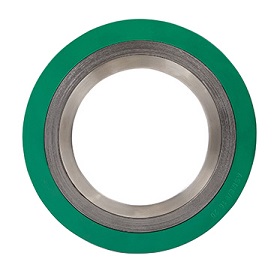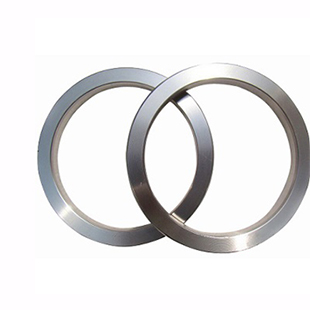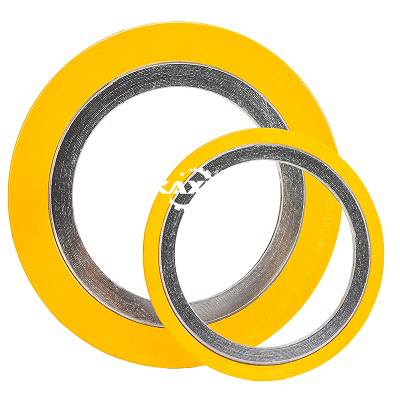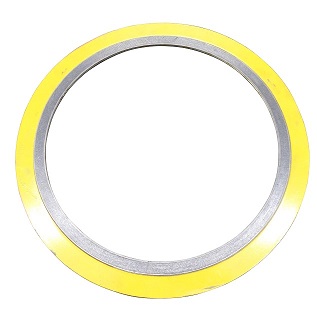

Temperature resistance is one of the most decisive factors affecting the durability, sealing stability, and long-term performance of industrial Gaskets. Whether used in pipelines, automotive engines, heat exchangers, chemical reactors, or food processing equipment, Gaskets are constantly exposed to fluctuating temperatures that directly influence their elasticity, compression set, chemical stability, and mechanical strength.
In practical engineering applications, improper temperature selection leads to premature aging, hardening, cracking, softening, and seal failure. Understanding how temperature resistance impacts the service life of rubber Gaskets allows engineers and procurement managers to minimize maintenance costs, reduce downtime, and enhance operational safety. At Ningbo Kaxite Sealing Materials Co., Ltd., we focus on developing high-performance sealing materials engineered to withstand extreme temperature conditions across diverse industries.
1. What Happens to Rubber Gaskets Under Extreme Temperatures?
2. Why Does Material Selection Determine Thermal Performance?
3. How Do Our Technical Parameters Ensure Long-Term Stability?
4. How Can Proper Installation and Maintenance Extend Service Life?
5. Summary
6. FAQ
Temperature directly affects the molecular structure of elastomers. When exposed to temperatures beyond their design limits, rubber Gaskets undergo physical and chemical changes that reduce sealing efficiency and shorten service life.
Under continuous high-temperature exposure, rubber materials experience:
When Gaskets lose elasticity, they can no longer compensate for flange irregularities, leading to leakage. At Ningbo Kaxite Sealing Materials Co., Ltd., our formulations are engineered to maintain structural stability even under prolonged heat exposure.
Low temperatures create a different type of risk. Elastomers may:
In cold environments, the sealing function of Gaskets depends on maintaining sufficient resilience. Our factory conducts low-temperature brittleness tests to ensure performance reliability.
Repeated heating and cooling cycles cause expansion and contraction. Over time, this results in:
Temperature resistance is not only about maximum tolerance but also about stability during thermal fluctuation. Ningbo Kaxite Sealing Materials Co., Ltd. designs sealing solutions specifically for cyclic thermal conditions.
The base polymer composition defines the thermal limits of rubber Gaskets. Different elastomers provide different temperature ranges and resistance characteristics.
| Material | Temperature Range | Key Advantages | Typical Applications |
| NBR | -40°C to 120°C | Oil resistance | Automotive, hydraulic systems |
| EPDM | -50°C to 150°C | Weather and steam resistance | Water systems, HVAC |
| Silicone | -60°C to 230°C | High flexibility | Food and medical equipment |
| FKM | -20°C to 250°C | High chemical and heat resistance | Chemical processing |
Our engineering team evaluates working temperature, pressure, media compatibility, and mechanical stress before recommending the ideal material. At Ningbo Kaxite Sealing Materials Co., Ltd., we provide customized Gaskets designed around specific thermal requirements.
Our factory conducts accelerated aging tests to simulate long-term high-temperature exposure. By monitoring physical property retention, we ensure reliable service performance.
Technical precision determines sealing durability. Ningbo Kaxite Sealing Materials Co., Ltd. integrates strict quality control with advanced compounding technology.
| Parameter | Standard Value | Test Method |
| Hardness | 40 to 90 Shore A | ASTM D2240 |
| Tensile Strength | 7 to 20 MPa | ASTM D412 |
| Elongation | 150 to 400 percent | ASTM D412 |
| Compression Set | Less than 25 percent | ASTM D395 |
| Heat Aging Retention | Over 80 percent | ASTM D573 |
These parameters allow our Gaskets to maintain elasticity and sealing force under continuous thermal stress.
Ningbo Kaxite Sealing Materials Co., Ltd. maintains full control from raw material selection to final inspection. Our factory follows international quality management standards to ensure consistent performance.
Even high-quality Gaskets require correct installation to achieve maximum temperature durability.
Our engineering team provides technical consultation to help customers maximize gasket lifespan under demanding temperature conditions. Ningbo Kaxite Sealing Materials Co., Ltd. supports clients with tailored sealing recommendations.
Temperature resistance directly determines the service life of rubber Gaskets by influencing elasticity, structural stability, compression retention, and aging resistance. High temperatures accelerate degradation, while low temperatures reduce flexibility. Selecting the correct elastomer material, validating performance through laboratory testing, and ensuring proper installation are critical for long-term sealing reliability.
Ningbo Kaxite Sealing Materials Co., Ltd. combines material science expertise, advanced manufacturing capability, and strict quality control to deliver high-performance sealing solutions. If you are looking to optimize equipment durability and reduce maintenance costs, contact our team today for customized Gaskets designed to withstand your exact operating temperatures.
Question1: How Temperature Resistance Impacts the Service Life of Rubber Gaskets in high-heat industrial systems?
Answer: High heat accelerates oxidation and material hardening, which reduces elasticity and increases compression set. Over time, this leads to leakage and premature seal failure. Selecting heat-resistant materials like FKM or silicone significantly extends operational lifespan.
Question2: How Temperature Resistance Impacts the Service Life of Rubber Gaskets in freezing environments?
Answer: In low temperatures, rubber may lose flexibility and become brittle. This reduces sealing pressure and increases the risk of cracking. Using low-temperature-rated elastomers such as EPDM or silicone prevents performance degradation.
Question3: How Temperature Resistance Impacts the Service Life of Rubber Gaskets during thermal cycling?
Answer: Thermal cycling causes expansion and contraction stress. Over repeated cycles, fatigue develops and compression set increases. Materials engineered for thermal stability reduce structural fatigue and extend service life.
Question4: How Temperature Resistance Impacts the Service Life of Rubber Gaskets when exposed to hot chemicals?
Answer: Heat combined with aggressive chemicals accelerates material breakdown. Chemical-resistant compounds like FKM maintain integrity under combined thermal and chemical stress, ensuring longer durability.
Question5: How Temperature Resistance Impacts the Service Life of Rubber Gaskets in steam applications?
Answer: Steam exposure introduces both high heat and moisture, which can degrade certain elastomers rapidly. EPDM is typically preferred for steam environments due to its superior resistance to heat and water vapor.